
The CAF’s New Command: A Missed Chance to Signal Real Culture Shift
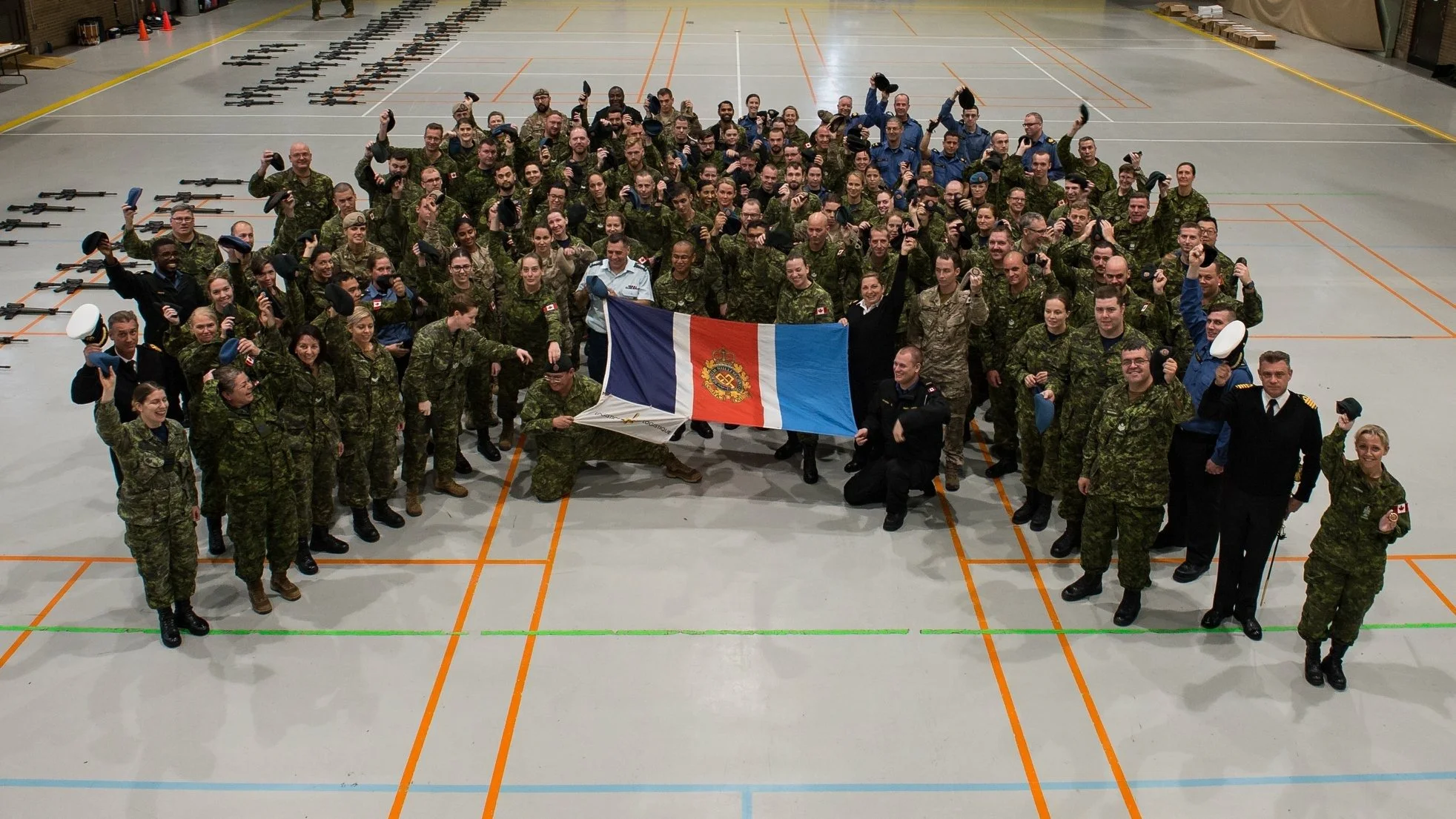
When major institutions talk about culture change, the public often imagines new structures, new acronyms, or new organizational charts. On the surface, these moments feel transformative — as though architecture itself signals progress.
But culture doesn’t shift because a new command is stood up.
Culture shifts when leadership decisions reflect the values an institution claims to embrace.
The creation of the Canadian Joint Forces Command was one of those rare moments when the CAF could have sent a powerful signal about the future it wants to build. For thousands of supporters who make up the backbone of the organization, it offered hope: a chance to finally be seen as equals in leadership, not simply as enablers in the background.
This piece is difficult to write.
For as long as many of us can remember, the unwritten rule in support communities has been clear: do your job, stay quiet, don’t challenge the hierarchy. Speaking up comes with risk, and staying silent comes with a cost.
But after speaking with numerous supporters still serving, it’s clear that frustration is growing — not because of one appointment, but because of what the appointment represents.
When Leadership Appointments Send the Wrong Message
The decision to appoint an operator — a talented and capable one, to be sure — to lead a command built around support capabilities sent a message the CAF may not have intended, but one that supporters heard loud and clear.
The message was:
“This is still not a place where supporters rise to the highest levels.”
To date, there is still no supporter at the table with the other three-star leaders reporting directly to the CDS. There is still no senior leader with lived experience in the support trades helping shape top-level decisions. And there remains a longstanding contradiction: supporters are told they lack the “right experience” to command, yet leaders without support backgrounds are considered fully qualified to command support-centric organizations.
These decisions speak louder than any cultural aspiration.
What Real Culture Change Actually Requires
Organizational culture changes quietly, through actions and choices that rarely make headlines. Three behind-the-scenes practices matter most:
1. Meaningful Representation in Leadership
When institutions elevate leaders from underrepresented communities, it signals who belongs at the top. A supporter in the inaugural command role would have marked a new chapter for equity and recognition across the CAF.
2. Equitable Pathways to Advancement
If supporters are systematically excluded from the experiences required to reach command roles, the pathway is inequitable by design. Culture shifts when those pathways are intentionally rewritten.
3. Day-to-Day Inclusion
Culture isn’t a slogan — it’s the cumulative effect of who is invited into key conversations, whose perspective is sought out, and whose voice carries weight in decisions.
A Moment That Could Have Been a Turning Point
The establishment of the Canadian Joint Forces Command was more than an administrative change — it was a symbolic opportunity. A moment when supporters could have seen themselves reflected in leadership. A moment when the CAF could have modeled the future it says it wants to build.
Instead, many supporters saw another ceiling reinforced. Some expressed resignation, others frustration, and many simply said, “Nothing has changed.”
Culture Is Written in Leadership Decisions
If the CAF — or any organization — truly wants to shift its culture, it must recognize that culture takes shape through who is elevated, who is included, and who is trusted with authority.
Structures matter.
But leadership decisions matter more.
And in this case, a defining opportunity to rewrite the cultural narrative was lost.
Culture will shift when the decisions at the top reflect the values the institution hopes to see throughout its ranks.
About the Author
I’m Kirsten, founder of Maven Executive Coaching, where I help leaders and teams build the clarity, confidence, and culture needed to lead with impact.
